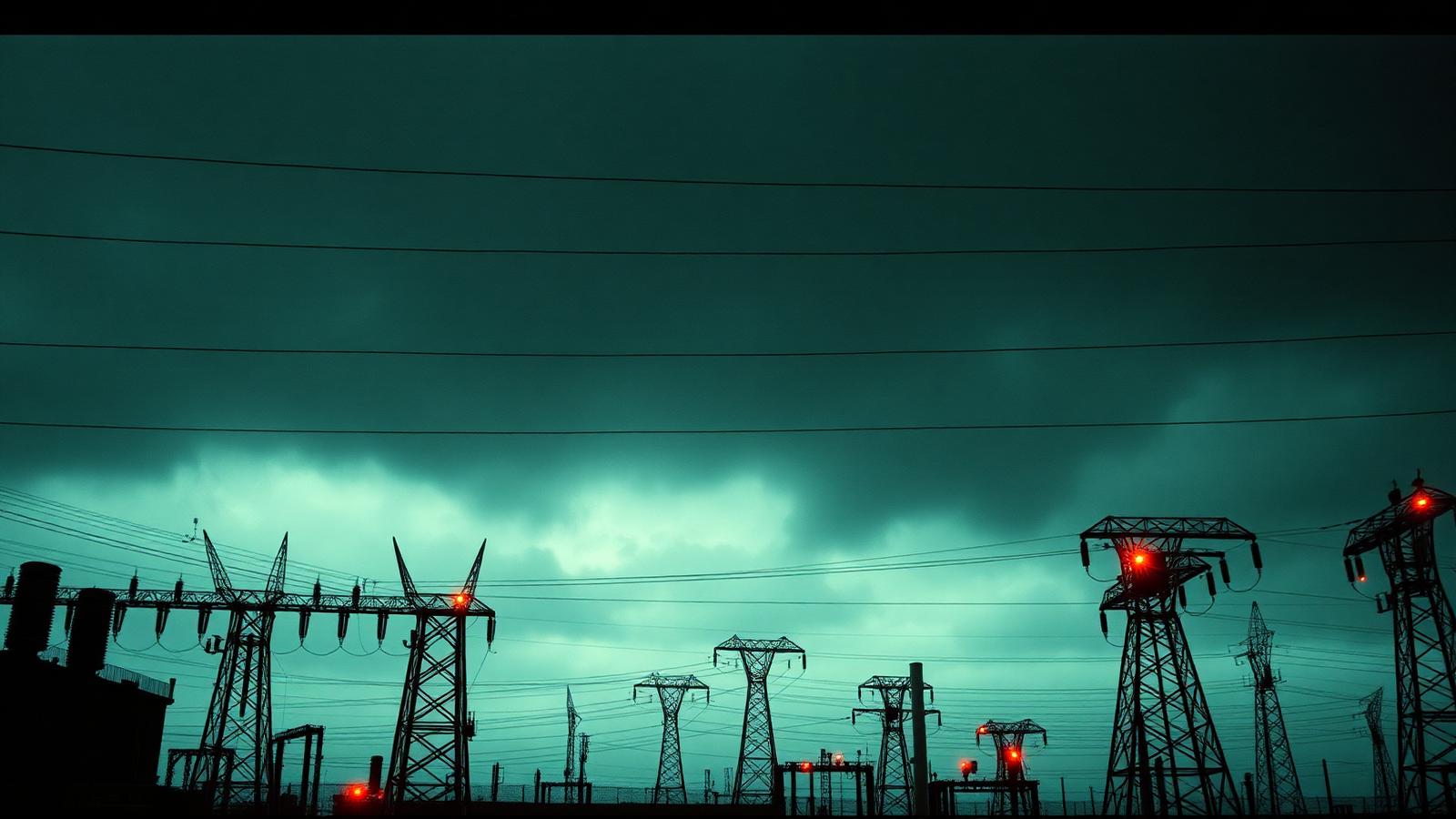
Hydropower Exodus: Why Small Miners Are Leaving the Appalachian Corridor
Rising industrial utility rates and shorter curtailment notice periods are pushing independent operators toward overseas energy hubs.
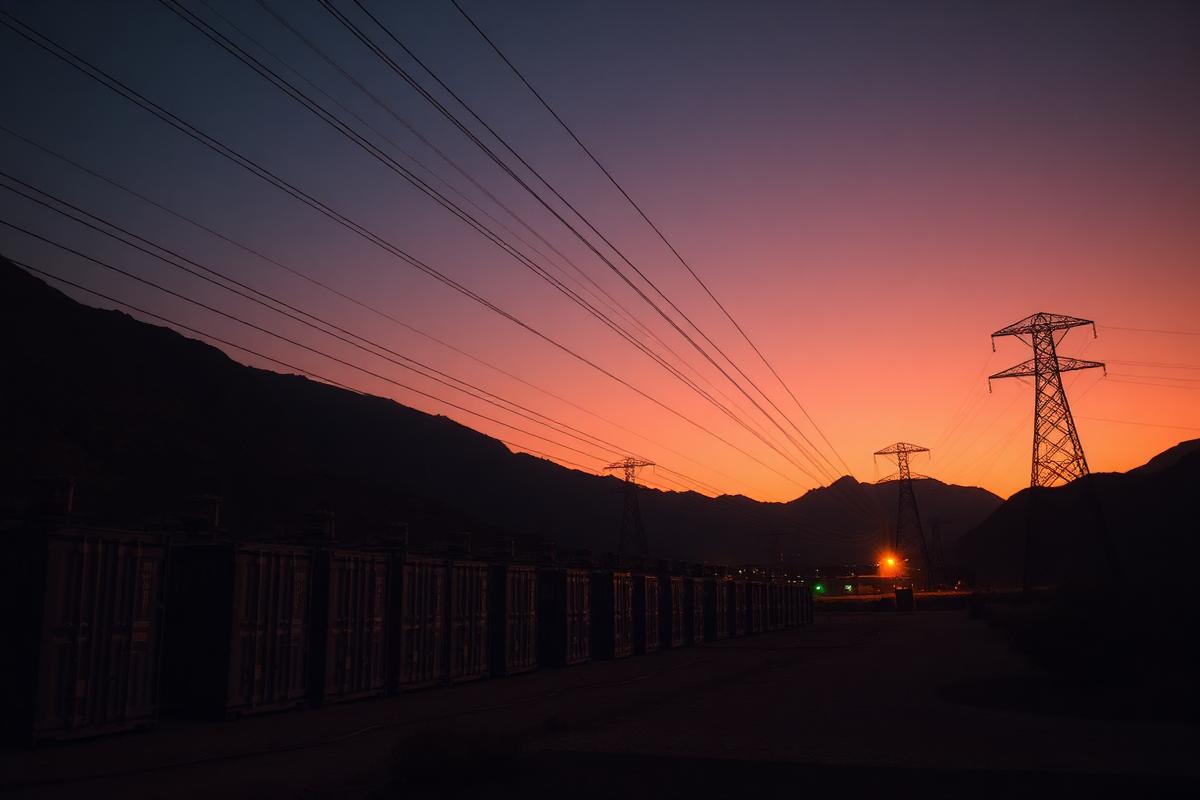
For a decade, cheap run-of-river hydropower made the Appalachian corridor one of the most attractive places in North America to plug in a modest mining operation. That arithmetic has changed.
Three utilities in the region have restructured industrial tariffs over the past eighteen months, adding demand charges that fall hardest on operations below ten megawatts. Combined with shortened curtailment notice windows, the changes have compressed margins for exactly the operators who lack the balance sheet to hedge.
The economics of being small
Large fleets negotiate bilateral contracts and monetise flexibility through demand-response programmes. Independent operators running a few thousand machines rarely qualify. Several told Bitcoin Bounty Hunter that their effective all-in power cost has risen by between eighteen and thirty-one percent since early 2025.
The destinations are unglamorous: stranded gas in West Africa, geothermal capacity in East Africa, and hydro surplus in South America. What they share is a willingness to write five-year contracts with operators that regional US utilities now treat as a nuisance load.
About the author
Sarah Jenkins is Energy & Mining Reporter at Bitcoin Bounty Hunter. Sarah Jenkins reports on power markets and the industrial side of bitcoin mining. She holds a master's degree in energy economics and has covered grid policy since 2016.
Last updated Aug 17, 2026, 09:10 AM UTC · Spotted an error? Request a correction